Small bathrooms often challenge comfort and style, but with thoughtful planning and smart updates, you can create a space that feels larger, lighter, and more functional. This article draws on design best practices and practical tips to deliver small bathroom ideas that work in real homes. Written with an emphasis on reliability, clarity, and actionable steps, it helps homeowners and designers alike achieve EEAT-friendly results.
Smart layout tips for small bathrooms
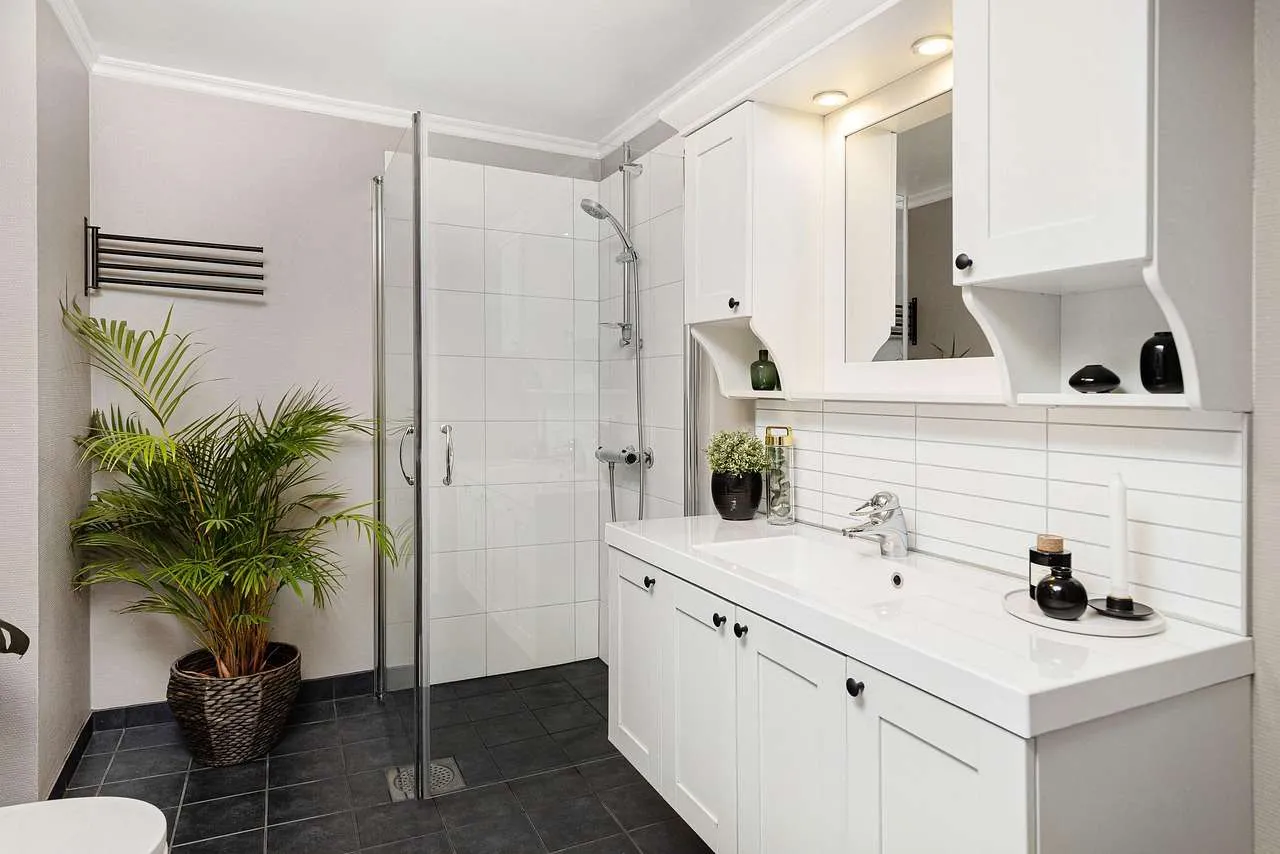
Begin with a layout that keeps sightlines open and foot traffic flowing. A wall-mounted vanity and toilet free up floor space, while a frameless, glass shower enclosure virtually disappears visually, expanding the room. A pocket door or barn-style door eliminates swing space, making the entire footprint more usable. If you must keep a tub, choose a compact 60–66 inch model or convert to a shower-ban area to reclaim space. When planning, ensure at least 36 inches of clearance in front of sinks and toilets for comfortable use.
Key layout strategies
- Use wall-mounted fixtures to create an airy feel and simplify cleaning.
- Opt for a pocket door to free valuable floor space and improve traffic flow.
- Choose a corner sink or a narrow, shallow vanity to maximize floor area.
- Incorporate vertical storage—tall shelving or a tall cabinet—to keep clutter out of sight.
Color, materials, and lighting ideas
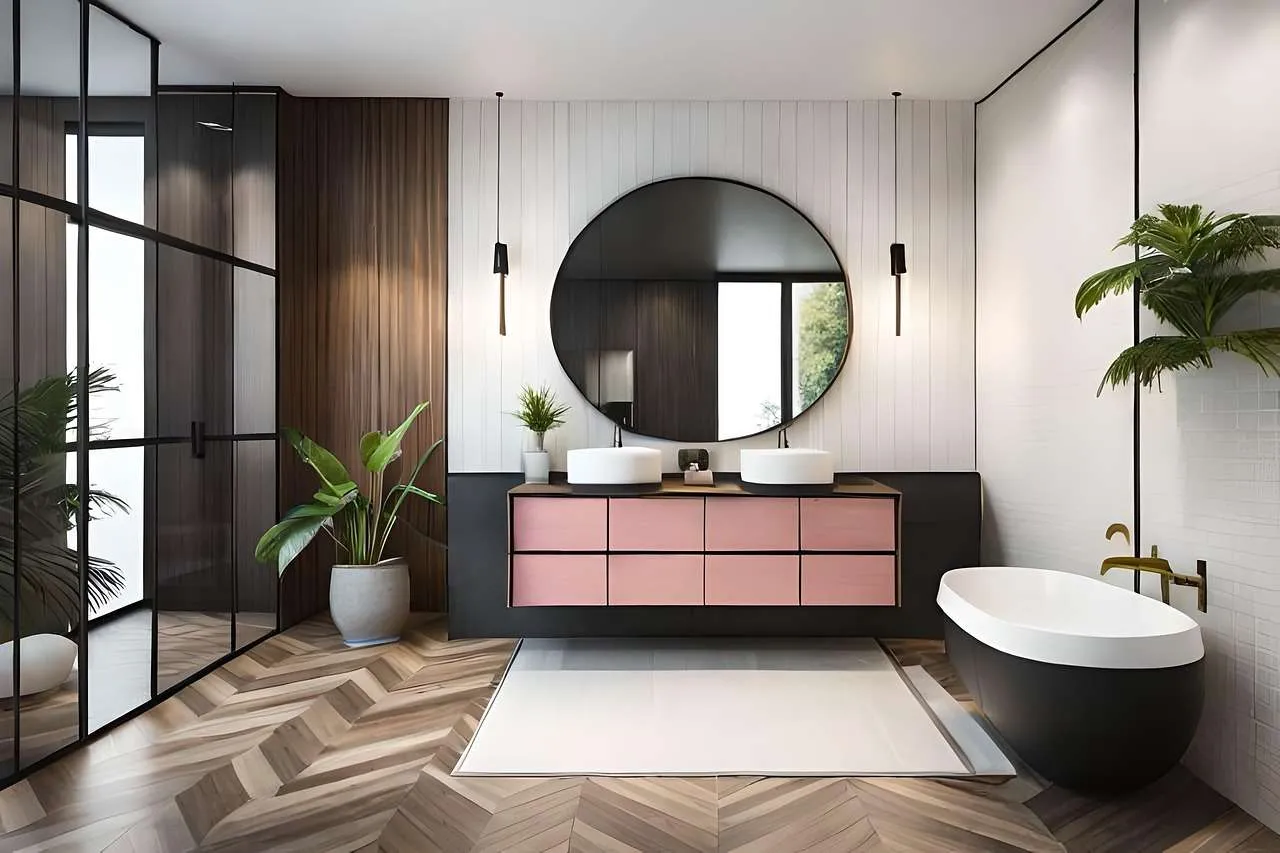
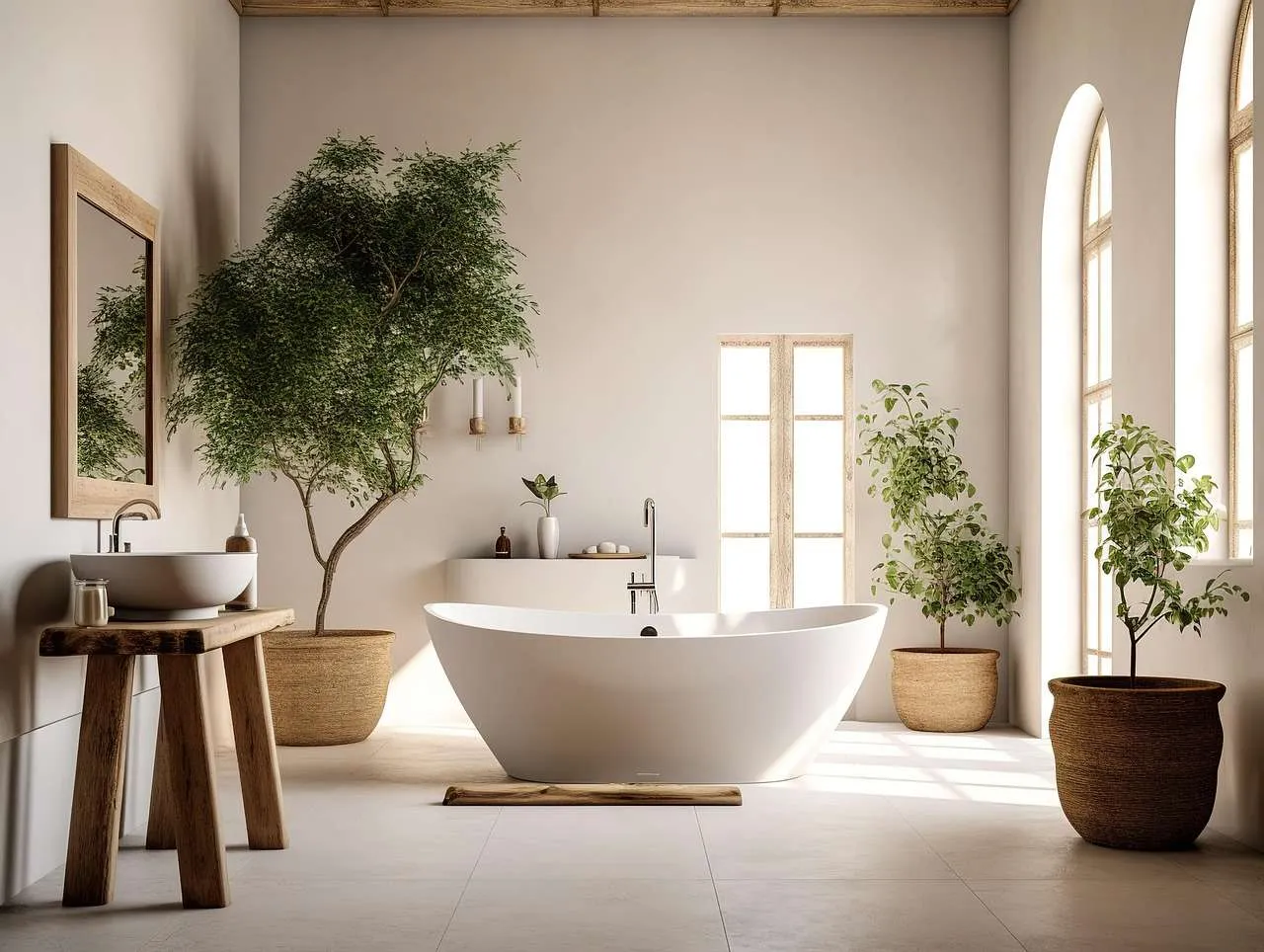
Color choice sets the room's mood and perceived size. Light neutrals like white, soft gray, and warm taupe reflect more light and make walls recede. Large-format tiles with minimal grout lines reduce visual distractions and create a seamless look. Reflective surfaces—polished porcelain, glass accents, and glossy vanity tops—further amplify light. For contrast, introduce color through accessories or a statement vanity rather than large surfaces. Layer lighting with ambient ceiling light, task lighting at the mirror, and subtle cove or toe-kick lighting to eliminate shadows. In bathrooms with limited natural light, consider a skylight or a brighter bulb setup to maintain a fresh atmosphere.
Smart storage solutions
Storage is the backbone of successful small bathroom ideas. Recessed niches in the shower save space while keeping shower essentials within reach. A medicine cabinet with mirrored doors multiplies storage and light. A shallow vanity with multiple drawers offers better organization than a single cabinet. Add a tall, slim cabinet beside the vanity and floating shelves above the toilet to store towels and cleaning supplies without crowding the room. Hooks, rails, and magnetic strips inside cabinet doors keep small items organized and accessible. If budget allows, a modular vanity system can be reconfigured as needs evolve.
Fixtures and lighting that expand space
Choosing the right fixtures dramatically affects perceived space. A glass shower enclosure with minimal framing preserves line-of-sight, while a sliding or pocket shower door reduces visual bulk. Wall-mounted sinks and compact, under-sink storage maintain clean lines. Lighting should be layered: bright ambient light for general use, focused task lighting at the mirror, and a soft, indirect glow along the base or behind mirrors to add depth. Cool white LEDs (around 4000–4500K) provide a crisp, clean feel that enhances the sense of space. Consider dimmable switches to adjust mood and energy consumption.
Budget considerations and maintenance tips
Achieving high impact with a modest budget is feasible when you plan carefully. Prioritize changes with the most visible impact: updated fixtures, improved lighting, a refreshed vanity, and well-sealed, moisture-resistant finishes. If tiling, opt for porcelain or ceramic tiles in light tones with large formats to reduce grout upkeep. Address any leaks or ventilation issues before cosmetic updates to prevent long-term damage. For DIY-friendly projects, you can replace hardware, install a new towel rack, repaint walls, and install a floating vanity. When moving plumbing or electrical work is necessary, hire licensed professionals to ensure code-compliant, safe installations.
Comparison: styling options for small bathrooms
| Style | Pros | Cons | Best For |
|---|---|---|---|
| Minimalist | Clean lines, uncluttered spaces; enhances perceived roominess | Requires consistent maintenance and quality finishes | Urban apartments and shared baths |
| Scandinavian | Bright, airy feel with warm textures; timeless | Can feel sterile if not balanced with natural materials | Bright spaces with wood accents |
| Coastal | Reflective surfaces and breezy vibes; easy to refresh | Tile choices and accessories can drive costs up | Homes with natural light and sea-inspired palettes |
| Industrial | Durable finishes and character; bold style | May feel crowded in very small rooms | Lofts and spaces with exposed elements |
Conclusion
Conclusion, this guide has covered practical small bathroom ideas across layout, color, storage, fixtures, lighting, and budgeting. By prioritizing space-saving strategies, maximizing light, and selecting smart storage, you can transform a compact bathroom into a clean, functional, and stylish retreat. A well-planned update, plus professional guidance for plumbing or electrical work when needed, ensures a durable, high-quality result that supports daily routines and long-term home value.